
Answer 1

First all-African space mission, launching to the Moon in 2029
About
The first all-African space exploration mission, Africa2Moon, is an African designed and built low-frequency radio telescope to be deployed on the lunar surface in 2029, to demonstrate new technology, do first-time science and inspire the next generation of African explorers and innovators.
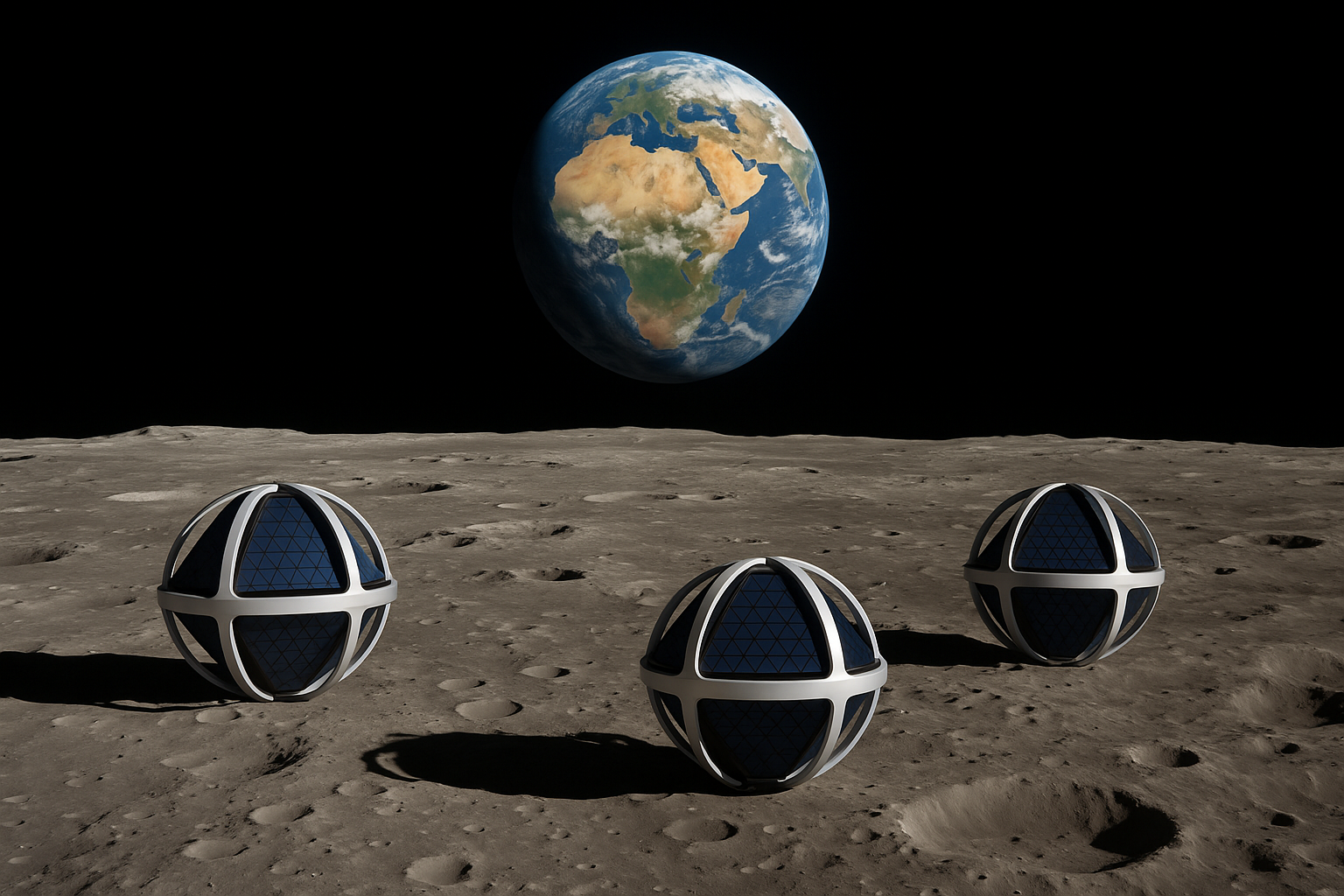
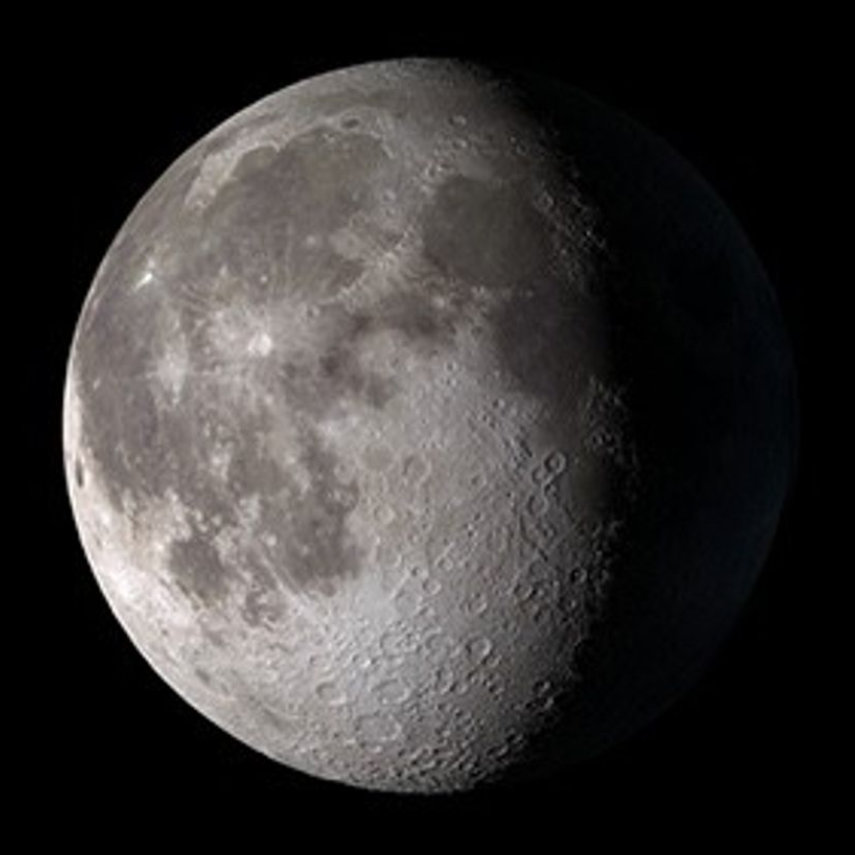
The telescope is to be deployed in the south pole region of the Moon, one of the harshest environments in the Solar System, with temperatures plummeting to below negative 200 degrees Celsius. While humanity has not yet landed technology at this location, the lunar south pole is an important place to collect data because this is where the first permanent off-world research bases are to be established in the coming years due to the presence of water ice in the permanently shadowed craters there.
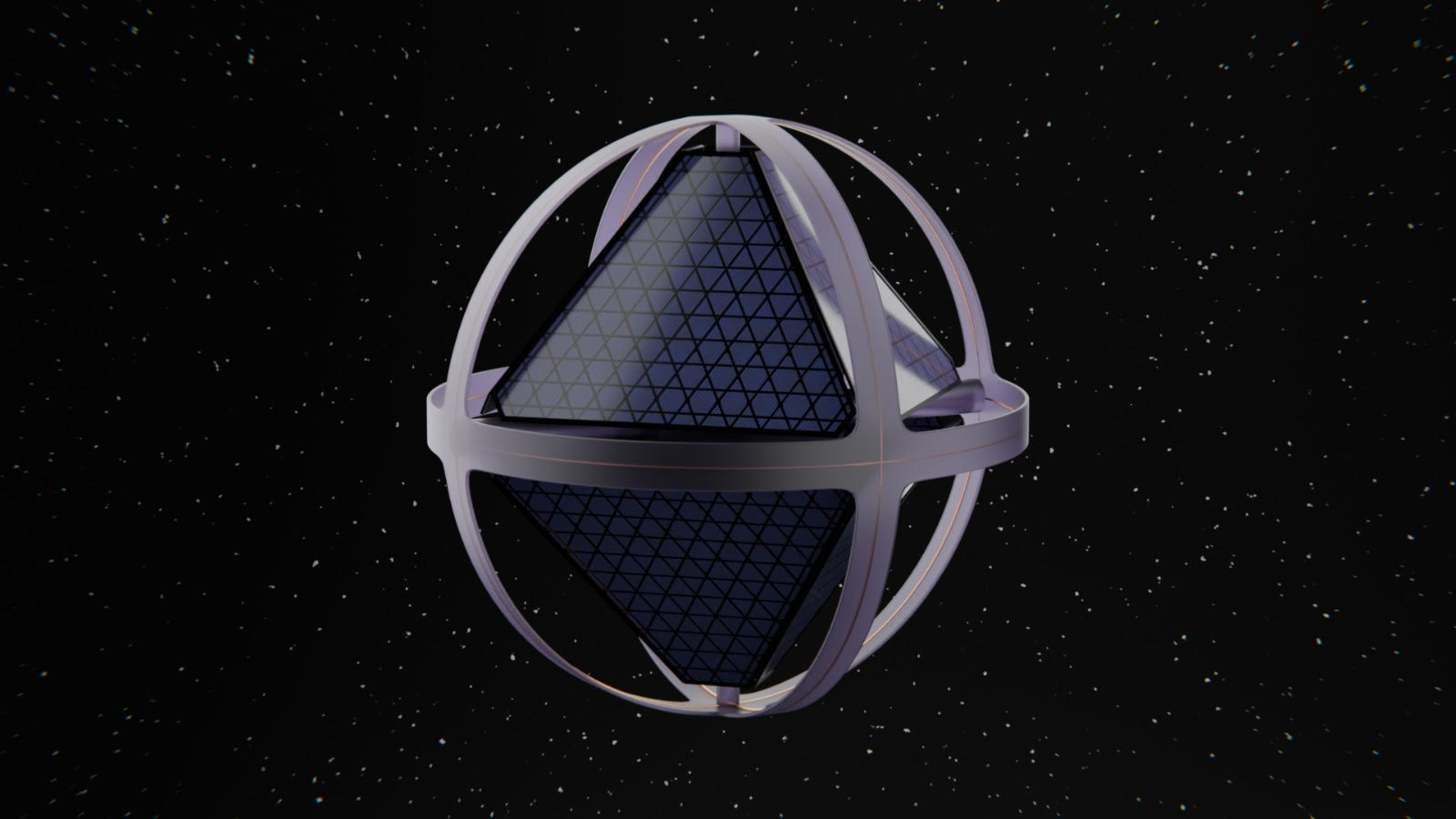
‘Bounced African Lunar Low Sphere (BALLS)’
Our instrument consists of an array of three antennas or BALLS (image of one of the BALLS with acronym defined ‘Bounced African Lunar Low Sphere (BALLS)’) which work together to observe low frequency radio signals from space that are not observable from the surface of the Earth. The first lunar instrument of its kind, Africa2Moon is also in the running to be the first fully successful radio astronomy experiment performed from the surface of the Moon, after US and Chinese instruments suffered mishaps. Radio astronomy is the study of outer space using radio waves rather than visible light, and the Moon is an ideal place to perform such studies as the low frequency signals we will be measuring are unobservable from Earth due to interference with our atmosphere.
The mission is led by the Foundation for Space Development Africa and a team of expert volunteers in collaboration with organisations such as the South African National Space Agency, the South African Radio Astronomy Observatory, as well as institutions in Kenya, Ghana, Botswana and across the continent.
As a collaborative project, we could not have achieved the design maturity and technical agreements without the hard work of the engineers and scientists that have given their time, effort and dedication to this project. A big thank you also goes out to the teams at Aerospace Systems Research Institute (ASRI), Petrawell and Stellenbosch University Department of Engineering for the manufacturing of the components of the structural and functional models to be delivered to the Chang'e-8 team for testing in April 2026.
This 3-BALLS array will serve as a path finder for future lunar technologies and radio astronomy experiments and also as a technology demonstrator for the full Africa2Moon mission aiming to deploy 55 antennas on the far side of the Moon, one for each nation in Africa, in a future mission to the lunar farside.
Mission
From Earth’s surface we have a powerful but limited view of the Universe. Our atmosphere allows visible light and some radio waves to reach the ground. By studying radio signals from space, astronomers have discovered many things we cannot see with visible light, including the structure of our Galaxy, the behaviour of planets, new molecules in space, and clues about how the Universe began. Future radio astronomy observations promise revolutionary science on the nature of our Universe as well as phenomena both known and yet undiscovered within the Solar System, the Milky Way Galaxy and beyond.
However, there remains a region relatively unexplored: the sub-20 MHz electromagnetic frequency band. With much of Earth’s atmosphere almost completely opaque to longer wavelengths, the observation of the radio sky at low frequencies is best performed from beyond Earth.
Furthering decades-old space-based discoveries like Earth’s auroral emissions, the Moon provides a unique, stable location for such observations due to lack of significant atmosphere, and in particular, physical shielding from terrestrial radio interference and periodic solar shielding, which make the night-time lunar farside the most radio-quiet location in our vicinity.
Africa2Moon is a low cost, low mass, low frequency radio astronomy telescope array designed to operate on the lunar farside, perform new science, demonstrate novel African-built technology, and inspire increased participation in space exploration and science, technology, engineering and mathematics by young people in Africa and the developing world.
The Africa2Moon technology demonstrator has been selected to be deployed at the lunar south pole as an international science payload with the Chinese National Space Administration’s Chang’e-8 mission in 2029, aiming to improve characterisation of radio sources including the galactic background, the Sun and the Earth, as well as pathfinding for future lunar instruments.
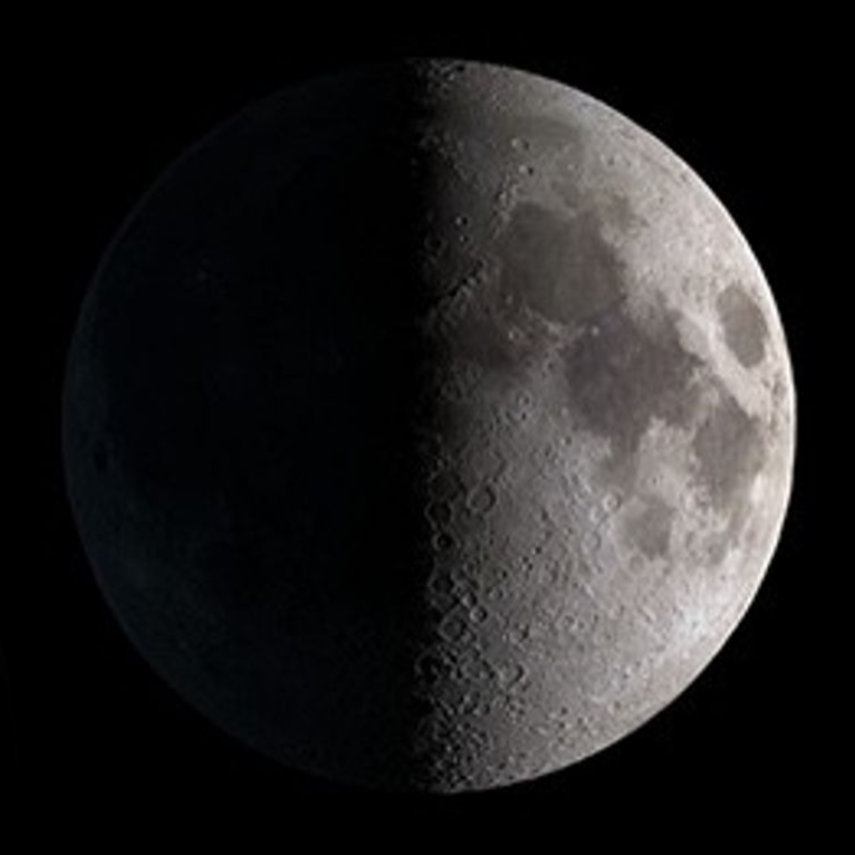
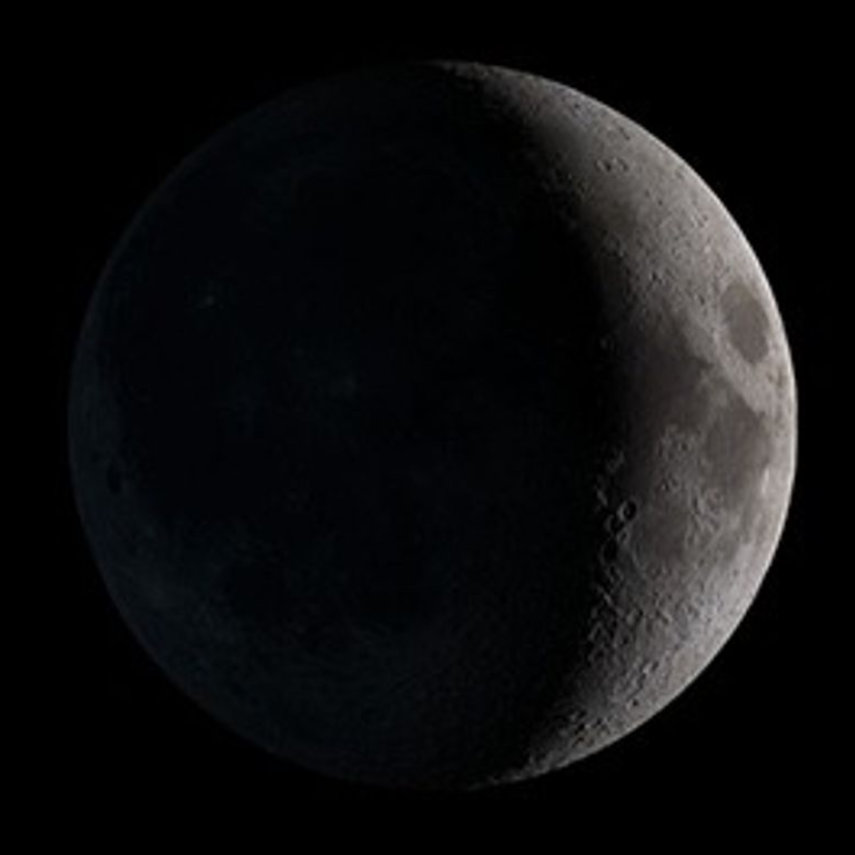
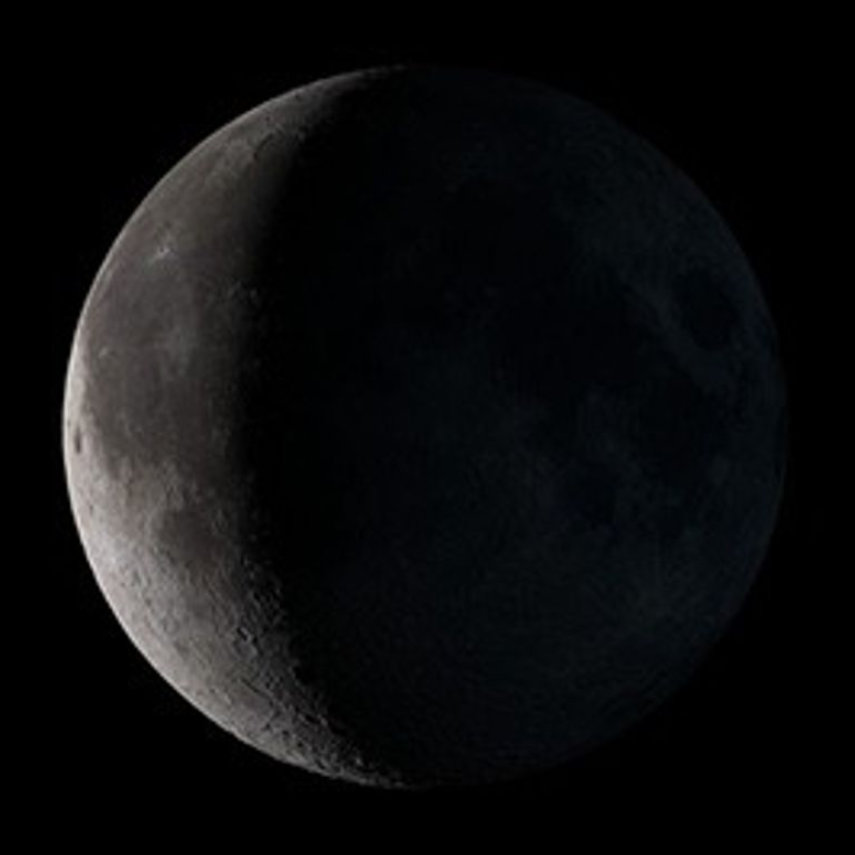
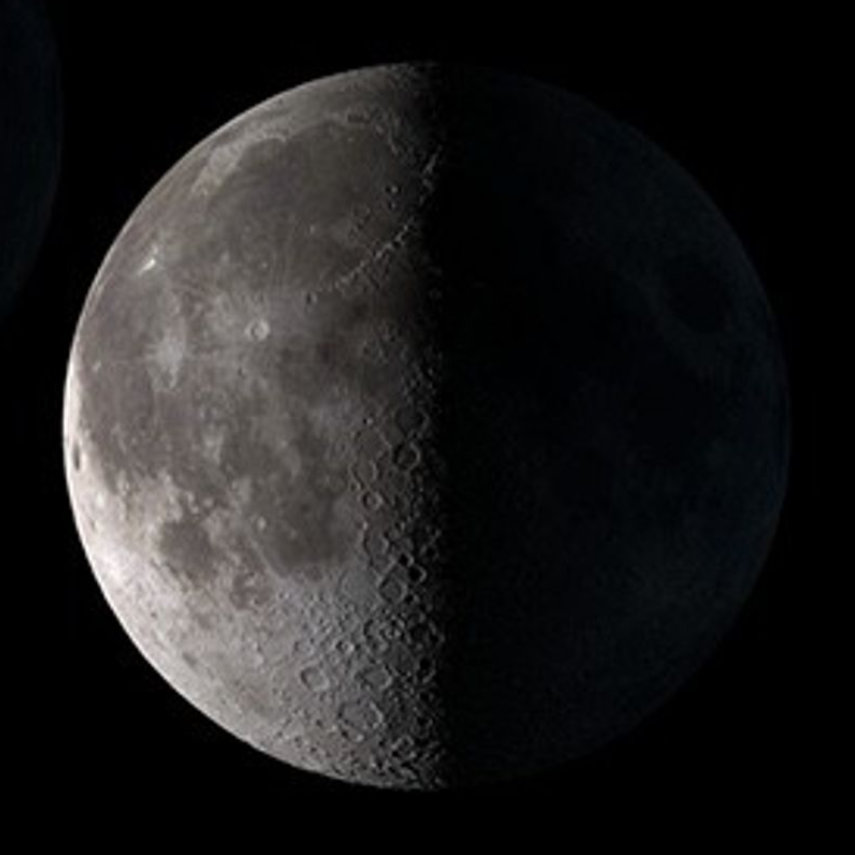
Phases

The Team
The mission is led by the Foundation for Space Development Africa and a team of expert volunteers in collaboration with organisations such as the South African National Space Agency, the South African Radio Astronomy Observatory, as well as institutions in Kenya, Ghana, Botswana and across the continent. As a collaborative project, we could not have achieved the design maturity and technical agreements without the hard work of the engineers and scientists that have given their time, effort and dedication to this project. A big thank you also goes out to the teams at Aerospace Systems Research Institute (ASRI), Petrawell and Stellenbosch University Department of Engineering for the manufacturing of the components of the structural and functional models to be delivered to the Chang'e-8 team for testing in April 2026.
News
Contact